
ADS-L · FANET · FLARM · ADS-B
Be visible
in flight.
Understand and choose the electronic conspicuity technologies suited to your practice.
- Shipped from Switzerland
- TWINT, card or QR-bill
- Local support
Understand
What is ADS-L?
ADS-L (Automatic Dependent Surveillance – Light) is an uncertified electronic conspicuity protocol. In ADS-L Out mode, a compatible device transmits its position; the ADS-L In function, when integrated into the device, allows compatible ADS-L traffic to be received. The exact features depend on the product.
ADS-L improves situational awareness but is not an autonomous collision avoidance system. It does not guarantee detection of all traffic, does not replace visual vigilance or the "see and avoid" principle, and does not exempt from the equipment required by the rules applicable to your aircraft or the airspace used.
Complete ADS-L guideOther technologies
FANET+ combines the FANET network and FLARM compatibility, depending on the device's implementation.
Learn more →FLARM is a proximity perceptibility and alert system historically very present among gliders.
Learn more →ADS-B is the surveillance and perceptibility standard used by commercial aviation and a large part of general aviation.
Learn more →Where regulation stands
ADS-L in Switzerland
The FOCA clarified in writing (24.09.2026) the mechanism envisaged under the FASST-CH project, in two distinct parts: (1) the extension of art. 29 ORA to gliders and balloons — a transponder, with the aim of protecting commercial IFR traffic in class E; and (2) electronic conspicuity for manned aircraft flying VFR in class G and E airspaces, by means of ADS-B (with transponder) or ADS-L, in accordance with the SERA 6005(c) rule — this second measure also concerns free flight. A Mode S transponder alone is not sufficient to fulfill this second measure: an ADS-B Out or ADS-L Out transmission means remains necessary in addition. Timeline communicated: stakeholder consultation end of 2026, publication of the obligation mid-2027, one-year transitional period, then entry into force targeted for mid-2028. The FOCA itself specifies that this timeline remains subject to the uncertainties of any legal publication process and that the final details of the obligation may still evolve before its adoption.
- Currently planned timeline
- 2028 — exact date to be confirmed
Source : FOCA — FASST-CH Technical RecommendationLast verified : 25 September 2026
The regulatory information published on FlyVisible is provided for informational purposes and reflects the state of FOCA sources as of the last verification date. The official requirements of the FOCA and competent authorities take precedence. Portable ADS-L devices are not certified: they improve situational awareness but do not guarantee detection of all traffic and do not replace visual vigilance or the "see and avoid" principle.
Understand what's changingCompatibility
ADS-L compatible devices
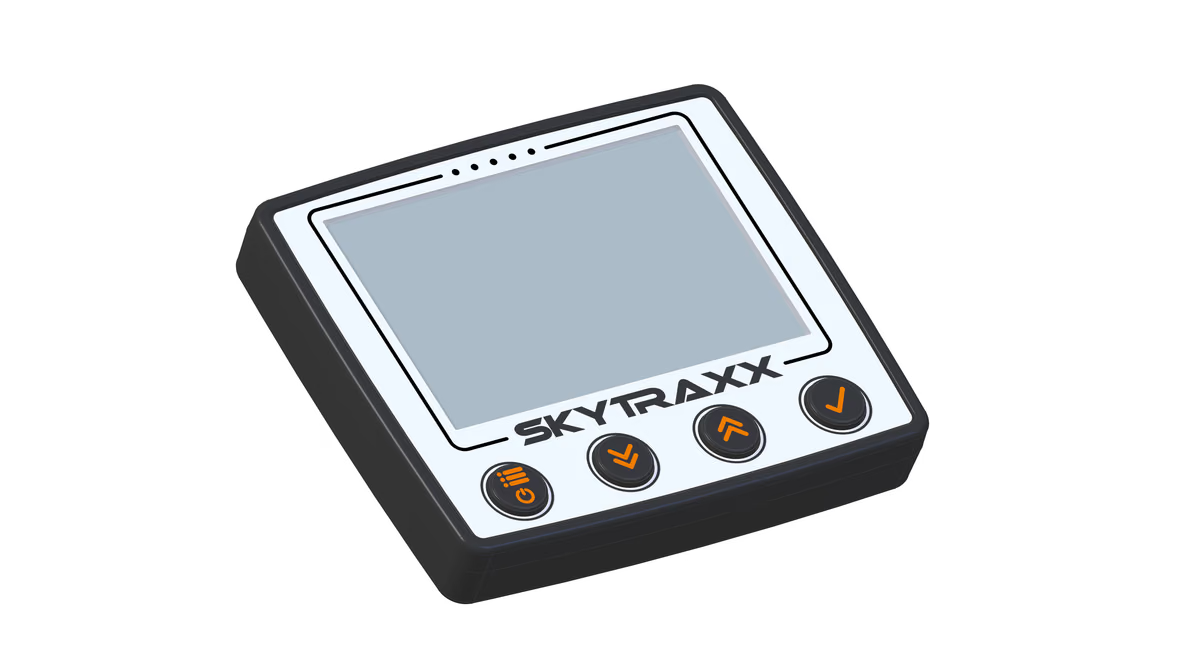
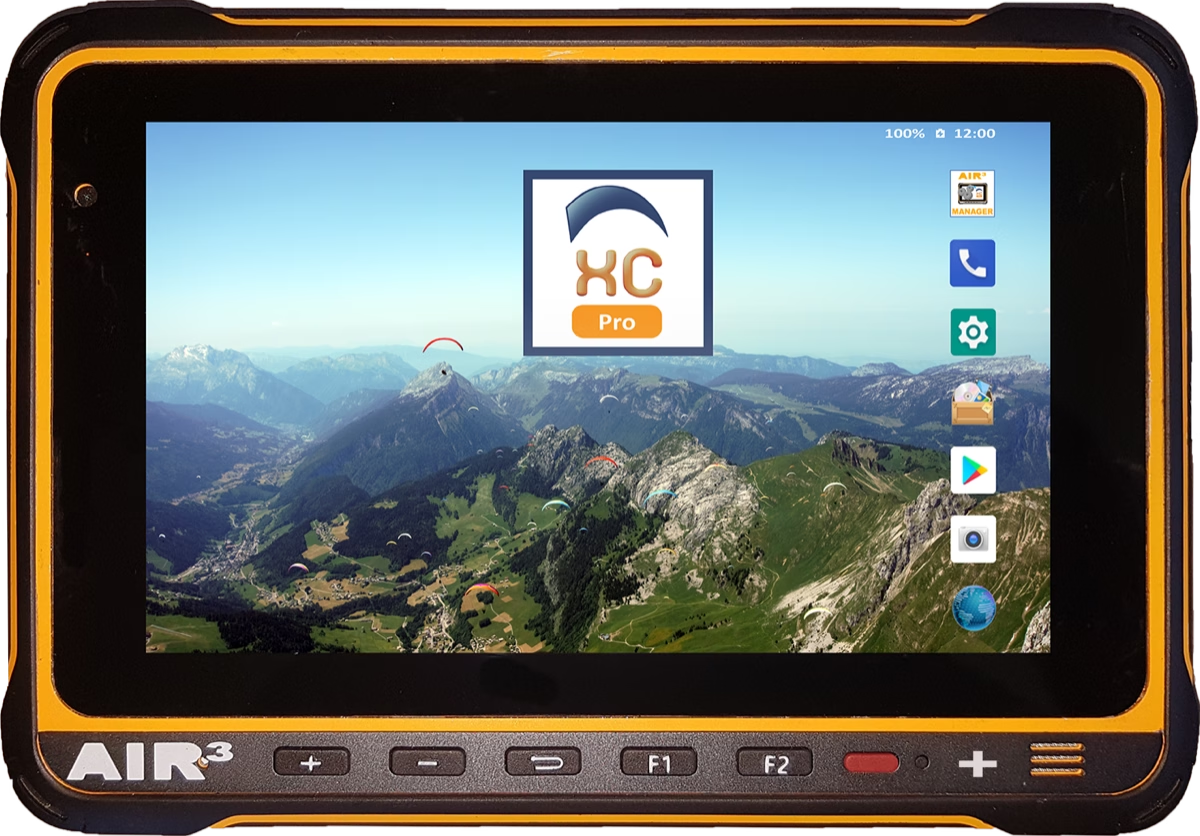
3 compatible devices, randomly selected from our catalog.

Which ADS-L equipment do I need?
Answer a few questions about your flying and your current instrument: we'll recommend 1 to 3 suitable devices.
Launch the configurator